Bikes for Exercise: Your Guide to Finding the Perfect Ride for Fitness
In today's hectic world, incorporating routine exercise into our day-to-day regimens is more vital than ever. Amidst a plethora of fitness alternatives, cycling becomes a particularly attractive choice. It's a low-impact activity that uses a full-body workout, allowing people of any ages and fitness levels to gain considerable health benefits. Beyond the sheer enjoyment of riding outdoors or the convenience of indoor cycling, buying a bike specifically for exercise represents a proactive investment in one's wellness.
This short article works as a detailed guide for people thinking about buying a bike for exercise. It will explore the diverse world of bicycles developed for fitness, explore the myriad benefits of cycling, supply assistance on picking the best bike for private requirements, and navigate the various avenues for buying a bike. Whether you are a skilled professional athlete or a newbie aiming to welcome a healthier lifestyle, understanding the landscape of "bikes exercise for sale" is the primary step towards a more active and fulfilling life.
The Versatility of Bikes for Exercise: Exploring Different Types
The term "bikes exercise for sale" incorporates a large spectrum of bicycles, each crafted to deal with particular exercise preferences and environments. Understanding Excercise Bike is paramount in making a notified purchase.
Here are some common kinds of bikes frequently used for exercise:
- Road Bikes: Designed for speed and efficiency on paved roadways, road bikes are characterized by their lightweight frames, drop handlebars, and narrow tires. They are perfect for people focused on cardiovascular fitness, long-distance riding, and competitive cycling. The aerodynamic riding position encourages an effective pedal stroke, making them excellent for constructing endurance and leg strength.
- Mountain Bikes: Built to conquer off-road terrains, mountain bikes are robust and equipped with features like suspension systems, knobby tires, and flat handlebars for enhanced control and stability. For exercise, mountain cycling supplies a full-body workout, engaging core muscles for balance and upper body strength for maneuvering. It's a wonderful choice for those looking for a daring and tough workout in natural settings.
- Hybrid Bikes: As the name recommends, hybrid bikes blend functions of road and mtb, developing a versatile choice appropriate for travelling, leisure riding, and fitness. They usually feature a more upright riding posture for convenience, wider tires for stability on diverse surfaces, and in some cases front suspension for included cushioning. Hybrid bikes are excellent for people who desire a comfortable and efficient bike for basic fitness riding on roadways, bike courses, and light trails.
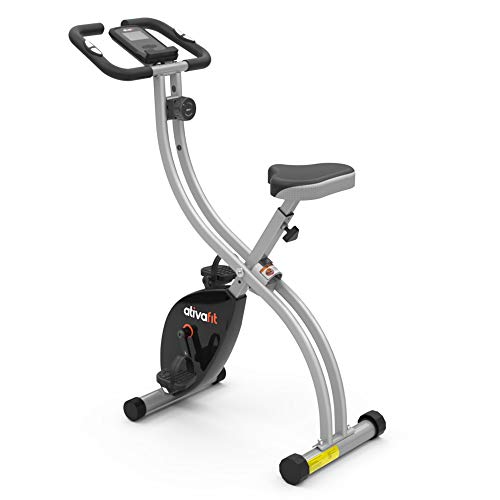
- Stationary bicycles: Unlike outside bikes, stationary bicycles are developed for indoor usage. They provide a regulated and practical environment for cycling workouts, despite weather conditions. Stationary bikes been available in numerous forms, consisting of upright, recumbent, and spin bikes. They are especially helpful for home workouts, rehab, and people who prefer a steady and foreseeable exercise setting. Spin bikes, typically discovered in fitness studios, are created for high-intensity period training and imitate the feeling of road cycling inside.
- Electric Bikes (E-bikes): E-bikes are bicycles equipped with an electric motor to assist pedaling. While they may seem counterintuitive for exercise at first, e-bikes can be outstanding tools for increasing activity levels, especially for newbies, older grownups, or individuals with physical constraints. The motor assistance can make cycling more accessible and satisfying, encouraging longer trips and more frequent exercise. Riders can still manage the level of support, guaranteeing they get a workout while gaining from the extra boost when required, particularly on hills or versus headwinds.
The Multifaceted Benefits of Cycling Exercise
Buying a bike for exercise opens a wealth of physical and mental health benefits. Cycling is an incredibly flexible activity that favorably impacts different aspects of wellness:
Physical Health Benefits:
- Cardiovascular Health: Cycling is an excellent cardiovascular exercise. It strengthens the heart, reduces blood pressure, and enhances blood circulation, minimizing the threat of heart disease, stroke, and other cardiovascular disorders.
- Weight Management: Cycling burns a considerable number of calories, contributing to weight reduction or maintenance. It improves metabolism and helps construct lean muscle mass, further helping in long-lasting weight management.
- Muscle Strength and Endurance: Cycling primarily works the leg muscles, including quadriceps, hamstrings, and calves, developing strength and endurance. It also engages core muscles for stability and balance.
- Joint-Friendly Exercise: As a low-impact activity, cycling is mild on the joints, making it ideal for individuals with joint pain, arthritis, or those recuperating from injuries. It minimizes tension on knees, hips, and ankles compared to high-impact exercises like running.
- Enhanced Lung Capacity: Cycling boosts breathing function by increasing lung capability and enhancing oxygen consumption.
- Boosted Balance and Coordination: Riding a bike needs balance and coordination, which enhances with routine cycling, benefiting total movement and minimizing the risk of falls, particularly in older adults.
Mental Health Benefits:
- Stress Reduction: Cycling releases endorphins, natural state of mind boosters that assist decrease stress, stress and anxiety, and depression. The balanced motion and outdoor environment can be particularly restorative.
- Enhanced Mood and Well-being: Regular cycling contributes to a total sense of well-being and improves state of mind. It can fight sensations of fatigue and increase energy levels.
- Enhanced Cognitive Function: Studies have revealed that exercise, consisting of cycling, can improve cognitive function, memory, and focus.
- Connection with Nature (Outdoor Cycling): Outdoor cycling provides opportunities to get in touch with nature, check out new environments, and take pleasure in fresh air, which can be extremely advantageous for psychological clarity and relaxation.
Choosing the Right Bike: A Personalized Approach
The "best" bike for exercise is subjective and depends entirely on specific needs, fitness goals, and riding choices. When thinking about "bikes exercise for sale," ask yourself the following concerns:
- What are your Fitness Goals? Are you intending for weight-loss, cardiovascular fitness, bodybuilding, or basic wellness? Your goals will influence the kind of bike that best fits your requirements. Road bikes are perfect for extreme cardio, while mountain bikes provide a full-body workout, and hybrid bikes provide a well balanced technique.
- Where will you be Riding? Will you primarily be riding on roadways, bike paths, trails, or inside? Road bikes are designed for pavement, mountain bicycle for off-road, hybrid for varied terrain, and stationary bikes for inside your home.
- What is your Budget? Bikes range in price from entry-level to high-end efficiency designs. Establish a realistic budget plan before starting your search. Remember to consider additional expenses like helmets, cycling clothing, and upkeep.
- What is your Comfort Level and Riding Style? Consider your preferred riding posture and convenience. Upright postures are more comfy for leisurely rides, while leaned-forward postures are more effective for speed and efficiency. Try different bike types to see what feels most comfortable.
- Do you have any Physical Considerations? If you have any physical constraints or injuries, think about speaking with a medical professional or physical therapist to identify the most ideal kind of bike and riding design. Recumbent bikes, for instance, may be more comfy for individuals with back problems.
Where to Find Bikes for Exercise: Exploring Purchase Options
The market for "bikes exercise for sale" is varied, providing various buying avenues:
- Local Bike Shops (LBS): Local bike shops offer expert advice, tailored service, and the opportunity to test trip bikes before acquiring. They often use bike fitting services and maintenance support. While prices might be a little higher than online, the proficiency and support are indispensable, specifically for newbie purchasers or those looking for particular kinds of stationary bicycle.
- Online Retailers: Online merchants use a large choice of bikes at competitive prices. They provide in-depth product descriptions and client reviews. Nevertheless, you will not be able to check ride the bike before purchase, and assembly might be required. Online sellers are a great alternative for those who are comfortable with bike assembly and have a great understanding of their requirements.
- Pre-owned Markets: Purchasing a used bike can be an affordable option. Classifieds, online markets, and regional cycling groups frequently include used bikes for sale. Thoroughly examine used bikes for wear and tear before buying, and consider having a bike mechanic examine its condition.
- Sports and Outdoor Stores: Larger sports and outdoor merchants frequently carry a range of bikes, especially hybrid and leisure designs. They provide a convenient choice for acquiring along with other fitness equipment.
Secret Factors to Consider Before Buying
Beyond selecting the type of bike and purchase place, a number of vital aspects require factor to consider before finalizing a "bikes exercise for sale" purchase:
- Bike Size and Fit: Proper bike size is important for convenience, efficiency, and injury avoidance. Consult size charts or get expertly fitted at a bike store to make sure the bike is the ideal size for your body.
- Parts and Features: Pay attention to parts like gears, brakes, suspension (if applicable), and frame material. Higher-quality parts typically offer much better efficiency and durability.
- Brand Name Reputation and Reviews: Research bike brand names and check out consumer evaluations to assess the quality and reliability of different designs.
- Warranty and Return Policies: Understand the guarantee provided by the maker and the return policy of the merchant in case of defects or dissatisfaction.
- Maintenance and Upkeep: Factor in the continuous costs of bike maintenance, consisting of routine tune-ups, tire replacements, and part repair work.
Incorporating Cycling into Your Fitness Routine
When you've protected your exercise bike, the next action is to integrate cycling into your fitness regular efficiently:
- Start Gradually: If you are new to cycling, start with much shorter trips and slowly increase the range and intensity as your fitness improves.
- Set Realistic Goals: Establish achievable fitness objectives, such as cycling for a particular period each week or reaching specific mileage milestones.
- Vary Your Workouts: Incorporate various kinds of cycling exercises, consisting of steady-state rides, interval training, and hill training, to challenge your body and avoid plateaus.
- Listen to Your Body: Pay attention to your body's signals and rest when needed. Avoid overtraining, which can result in injuries.
- Make it Enjoyable: Choose routes and riding environments that you discover enjoyable. Cycling must be a fun and sustainable activity.
- Sign Up With a Cycling Group or Club: Riding with others can supply inspiration, social assistance, and important cycling tips.
Conclusion
Buying a bike for exercise is a dedication to a much healthier and more active way of life. By understanding the various types of bikes available, recognizing the substantial benefits of cycling, and thoroughly thinking about private requirements and preferences, people can confidently browse the "bikes exercise for sale" market and discover the best ride to move them towards their fitness goals. Whether you pick to dominate mountain tracks, cruise scenic roadways, or take pleasure in the benefit of indoor cycling, the journey towards enhanced health and well-being begins with that very first pedal stroke.
Frequently Asked Questions (FAQs)
Q1: Is cycling an excellent kind of exercise for weight reduction?A: Yes, cycling is an exceptional form of exercise for weight loss. It burns a substantial amount of calories and assists develop muscle mass, both of which add to weight management.
Q2: What type of bike is best for newbies starting to exercise?A: Hybrid bikes are often advised for beginners as they use a comfortable riding position and are versatile for various terrains. Stationary bicycles are likewise a good choice for beginning exercise inside your home in a regulated environment.
Q3: How often should I cycle for exercise to see outcomes?A: Aim for a minimum of 150 minutes of moderate-intensity cycling weekly, or 75 minutes of vigorous-intensity cycling, as advised by health guidelines. Consistency is key to seeing outcomes.
Q4: Do I require to wear unique clothes for cycling exercise?A: While not mandatory, cycling-specific clothing like cushioned shorts, cycling jerseys, and gloves can enhance convenience, specifically for longer trips. A helmet is vital for safety.
Q5: Can I utilize an e-bike for exercise and still get a good workout?A: Yes, e-bikes can be utilized for exercise. You can manage the level of motor help and still get a cardiovascular workout. E-bikes can be particularly handy for newbies, older adults, or those with physical limitations, allowing them to cycle for longer distances or deal with hills more quickly.
Q6: Where is the very best location to purchase a bike for exercise?A: Local bike stores use skilled advice and customized service, making them a great choice, especially for novices. Online retailers offer a larger selection and competitive costs. Consider your requirements and convenience level when selecting where to purchase.